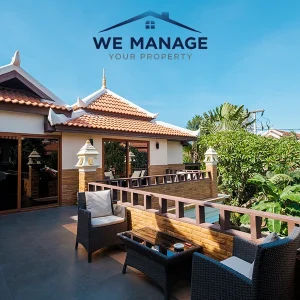
This is one of the most common questions asked by anyone considering a move to Thailand or looking to invest in Thai real estate.
The short answer is yes foreigners can buy property in Thailand. But the rules are specific, and the type of property you can buy, the way you can own it, and the legal structures available to you depend on several important factors.
This guide covers everything a foreign buyer needs to know the legal ownership options, the restrictions that apply, the most common mistakes to avoid, and what happens after you buy. Whether you are looking at a Bangkok condo, a Phuket villa, or a Pattaya apartment, this is your starting point.
What Types of Property Can Foreigners Buy in Thailand?
Thailand law draws a clear line between different property types when it comes to foreign ownership. Understanding this distinction is the most important first step for any foreign buyer.
Condominiums The Clearest Option for Foreign Buyers
Condominiums are by far the most straightforward property type for foreign ownership in Thailand. Under the Thai Condominium Act, foreigners can own a condo unit outright in their own name, on a freehold basis with full legal title.
However, there is one key restriction: the foreign ownership quota. In any registered condominium building in Thailand, a maximum of 49% of the total sellable floor area can be held by foreign nationals. The remaining 51% must be owned by Thai nationals or Thai-registered companies.
This means that in a popular Bangkok condo building, the foreign quota may already be filled. Before committing to a purchase, always verify the foreign ownership percentage remaining in the specific building you are interested in.
Land – Foreigners Generally Cannot Own It Directly
This is the most important restriction to understand. Under the Land Code Act, foreign nationals generally cannot own land in Thailand in their own name. There are very limited exceptions certain investment thresholds under the Board of Investment (BOI) rules but for the vast majority of foreign buyers, direct land ownership is not possible.
This has significant implications for house and villa purchases, since a house sits on land. A foreigner can own the building structure but not the land it stands on.
Houses and Villas – Possible Through Structures, Not Direct Ownership
Foreign buyers who want a house or villa in Thailand typically use one of two legal structures to achieve this:
Long-term leasehold – Thai law allows foreigners to lease land for up to 30 years, with the option to register two additional 30-year renewals giving effective control of up to 90 years in practice. The lease is registered at the Land Department and provides genuine legal security when structured correctly.
Thai company structure – Some foreign buyers establish a Thai-registered limited company to hold the land. This is a more complex structure that requires Thai shareholders and ongoing compliance obligations. It must be set up properly by a qualified Thai lawyer to be legally sound.
Both of these approaches have genuine merit and real risks. Neither should be set up without qualified legal advice from a Thai property lawyer.
How Must Foreign Funds Be Transferred to Buy Property in Thailand?

This is a critical point that many foreign buyers overlook. To purchase a freehold condominium in Thailand as a foreigner, the purchase funds must be transferred into Thailand from overseas in a foreign currency and then converted to Thai Baht by a Thai bank.
The bank issues a document called a Foreign Exchange Transaction Form (FET Form) – previously known as a Thor.Tor.3 form. This document is essential. Without it, the Land Department will not register the foreign ownership of the condo unit.
The FET Form proves that the funds came from outside Thailand, which is a legal requirement for foreign freehold condo ownership. If you transfer funds in Thai Baht, or if the money is moved from a Thai bank account, the FET Form may not be issued correctly – and your foreign ownership registration can fail.
Always use a qualified Thai property lawyer who will guide the funds transfer process correctly from the start.
What Are the Most Common Legal Structures for Foreign Property Ownership in Thailand?
Here is a clear summary of the main legal ownership options available to foreign buyers:
| Ownership Type | Property Type | Foreign Name? | Duration | Legal Security |
|---|---|---|---|---|
| Freehold condo | Condominium unit | Yes | Permanent | High registered title |
| Leasehold | Land, house, villa | No (lease registered) | 30 years (renewable) | Good when registered correctly |
| Thai company | Land, house, villa | No (company holds title) | Indefinite | Requires ongoing compliance |
| BOI investment route | Land (limited cases) | Possible | Permanent | High but strict criteria |
For most foreign buyers especially those buying in Bangkok the freehold condominium is the simplest, safest, and most legally clean option available.
If you are exploring Bangkok specifically as an investment destination, our guide on property investment in Bangkok covers the market landscape, best areas, and return expectations in detail.
Can Foreigners Get a Mortgage in Thailand?
This is another area where Thailand differs significantly from most Western countries. Thai banks generally do not offer mortgages to foreign nationals for property purchases in Thailand. There are limited exceptions some Thai banks have offered mortgage products to foreigners with long-term work permits or specific visa categories but these are not widely available and typically come with strict conditions.
Most foreign buyers in Thailand purchase property with cash or with financing arranged in their home country (for example, equity released from a property they own abroad). Developer payment plans available on many new Bangkok condo projects are another common option, allowing buyers to pay in installments during the construction period.
Taxes and Costs When Buying Property in Thailand as a Foreigner
Understanding the full cost of buying property in Thailand is important for accurate budget planning. Beyond the purchase price, foreign buyers should expect:
Transfer fee – 2% of the appraised value, typically split 50/50 between buyer and seller (negotiable).
Stamp duty – 0.5% of the appraised or sale value (whichever is higher), paid instead of specific business tax if the seller has held the property for more than 5 years.
Specific business tax (SBT) – 3.3% of the appraised or sale value, paid by the seller if they have held the property for less than 5 years. Buyers should be aware this affects negotiation dynamics.
Withholding tax – Paid by the seller, calculated based on the appraised value and length of ownership.
Legal fees – A qualified Thai property lawyer typically charges between 20,000 and 80,000 THB depending on the complexity of the transaction.
These costs are in addition to the purchase price and should be factored into your investment calculations from the start.
What Happens After You Buy Property in Thailand as a Foreigner?
Buying the property is only the beginning. Once you own a Bangkok or Thailand property, you face an ongoing set of management decisions:
Do you rent it out? If so, as a long-term residential rental or a short-term Airbnb? Do you manage it yourself or use a professional property management company? How do you handle tax reporting on your rental income as a foreign property owner?
These are exactly the decisions that our team at We Manage Your Property helps foreign buyers navigate every day. We specialize in full-service property management for foreign-owned Bangkok properties handling tenants, maintenance, income collection, and financial reporting so your investment performs the way it should.
Our guide on rental property management in Bangkok for overseas investors is essential reading for any foreign buyer planning to rent out their Thailand property.
For the rental income question specifically, our comparison of long-term vs short-term rentals in Thailand will help you choose the right strategy for your property type and location.
And if you are wondering whether to manage the property yourself or hire a professional, our honest comparison of self-managing vs hiring a property manager in Bangkok covers every factor in detail.
Key Mistakes Foreign Buyers Make When Purchasing Property in Thailand
Not verifying the foreign ownership quota – Always check the remaining foreign quota in a condo building before paying a deposit. Once the quota is full, foreign freehold ownership in that building is not possible.
Missing the FET Form requirement – Transferring funds incorrectly and missing the FET Form can make foreign ownership registration impossible. Get this right from the start with qualified legal support.
Using informal lease agreements – A lease agreement for land or a villa must be registered at the Land Department to be enforceable. An unregistered lease gives you very limited legal protection.
Skipping legal due diligence – Title deed verification, encumbrance checks, and developer financial health checks are essential before committing to any purchase. Never skip independent legal due diligence.
Not planning for post-purchase management – Many foreign buyers buy well but manage poorly. A well-bought Bangkok property that is badly managed still underperforms. Plan your management approach before you complete the purchase.
Ready to Make the Most of Your Thailand Property Investment?
Whether you have already bought a property in Thailand or are still in the planning stage, the decisions you make about management, rental strategy, and income optimization will determine your actual returns.
At We Manage Your Property, we work with foreign property owners across Bangkok to maximize rental income, protect their investment, and handle everything operationally so they can enjoy the returns without the stress.
FAQ
Can Foreigners Buy Property in Thailand?
Yes, foreigners can buy property in Thailand, but with specific legal restrictions. Foreign nationals can own condominium units outright on a freehold basis, registered in their own name at the Thai Land Department. However, foreigners generally cannot own land in Thailand directly. For houses, villas, and land, the main legal options are a registered long-term leasehold (30 years, renewable) or ownership through a Thai-registered limited company.
What Property Types Can Foreigners Own in Thailand?
Foreigners in Thailand can own condominium units on a freehold basis under the Thai Condominium Act. They cannot own land directly under the Land Code Act, with very limited BOI-related exceptions. For houses and villas, foreigners can own the building structure but not the underlying land, which must be accessed through a registered leasehold or Thai company structure.
Key legal distinction: Condo = freehold foreign ownership permitted. Land = foreign direct ownership generally prohibited.
What Is the 49% Foreign Quota Rule in Thai Condominiums?
The Thai Condominium Act limits foreign ownership to a maximum of 49% of the total sellable floor area in any single registered condominium building. The remaining 51% must be owned by Thai nationals or Thai-registered entities. If the foreign quota in a building is already at 49%, no additional foreign freehold purchases can be registered in that building. Buyers should always verify the remaining foreign quota before signing any purchase agreement.
What Is the FET Form and Why Is It Required for Foreign Condo Buyers?
A Foreign Exchange Transaction Form (FET Form) is issued by a Thai bank when foreign currency is transferred into Thailand from overseas and converted to Thai Baht. The Land Department requires this document to register foreign freehold ownership of a condominium unit. Without a correctly issued FET Form, foreign ownership registration cannot be completed. Purchase funds must be remitted from outside Thailand in foreign currency funds transferred from Thai bank accounts may not qualify.
Can Foreigners Own a House or Villa in Thailand?
Foreigners can legally own the building structure of a house or villa in Thailand but cannot own the land it sits on under standard Thai law. The two most common legal solutions are: a registered leasehold of up to 30 years (renewable, registered at the Land Department), or a Thai-registered limited company holding the land title with the foreigner as a shareholder and director. Both structures require qualified Thai legal advice to implement correctly and safely.
Can Foreigners Get a Mortgage in Thailand?
Thai banks generally do not offer mortgage financing to foreign nationals for Thailand property purchases. Exceptions exist for some foreigners with long-term work permits, but these are limited and subject to strict bank criteria. Most foreign buyers purchase Thai property with cash, with financing secured against assets in their home country, or through developer installment plans available on new condominium projects in Bangkok and other major cities.
What Are the Taxes and Costs When Foreigners Buy Property in Thailand?
The main transaction costs for a Thai property purchase are a 2% transfer fee (typically split between buyer and seller), stamp duty of 0.5% (if the seller held the property more than 5 years) or specific business tax of 3.3% (if held less than 5 years), withholding tax paid by the seller, and legal fees of approximately 20,000–80,000 THB. Total buyer-side transaction costs typically add 2–4% to the purchase price, not including the seller-side taxes which affect negotiation.